What to Do After Moving to Norway
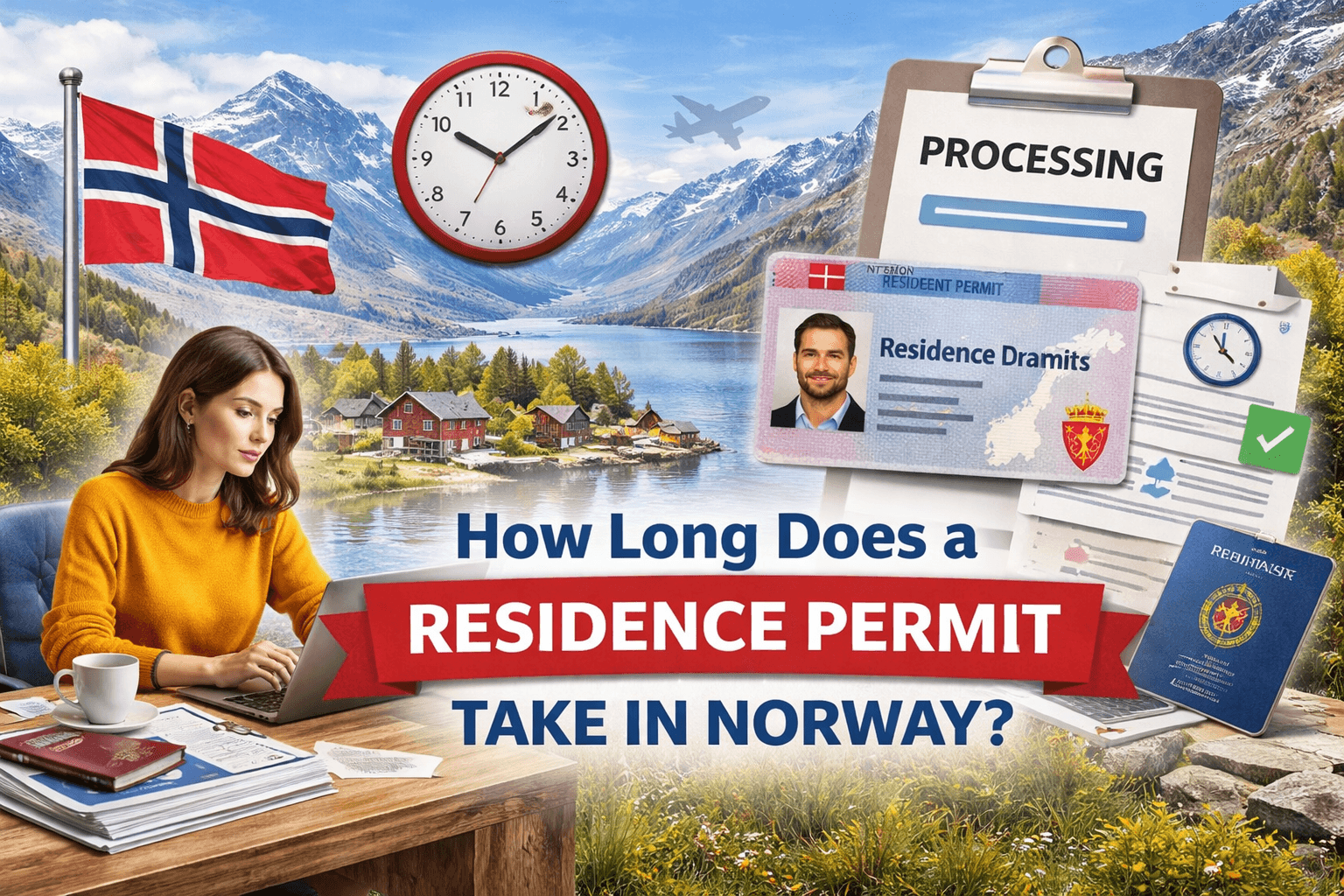
Moving to Norway is only the first step. This guide explains what foreigners should do after arriving in Norway to settle legally and start daily life.
Published: March 15, 2026

Introduction
Moving to Norway is an exciting step, but the first weeks after arrival can also feel confusing. Many foreigners underestimate how many administrative tasks must be completed before daily life becomes stable.
In Norway, many services are connected to national systems and identification numbers. Without completing the necessary registrations, it can be difficult to open a bank account, sign a work contract, or access public services.
Understanding the essential steps after moving to Norway helps newcomers avoid delays and settle faster. This guide explains the most important things foreigners should do during their first weeks in the country.
Register your address
One of the first things you should do after arriving in Norway is register your address with the national population registry.
Registering your address officially informs the Norwegian authorities where you live. This information is used for many public services and official communications.
If you change your address later, it is important to update the information to ensure that important documents reach you.
Obtain a Norwegian identification number
Most foreigners living in Norway need an identification number.
There are two main types:
D-number – a temporary identification number
Fødselsnummer – a permanent national identity number
This number is required for many everyday activities such as employment, banking, taxes and healthcare access.
Receiving this number is one of the most important steps after arriving in Norway.
Open a Norwegian bank account
A Norwegian bank account is essential for daily life.
Most employers in Norway pay salaries only to Norwegian bank accounts. In addition, many services require a local account for payments and subscriptions.
To open a bank account, you usually need:
identification documents
proof of address
a Norwegian identification number
The process may take some time for foreigners, so it is recommended to start as soon as possible.
Register with the tax authorities
If you plan to work in Norway, you must register with the Norwegian tax administration.
You will receive a tax deduction card, which determines how much tax your employer must deduct from your salary.
Without a tax card, employers are required to deduct a higher tax rate, so registering early is important.
Set up digital identification
Norway uses digital identification systems for many services.
The most common systems include:
BankID
MinID
These allow residents to access important online platforms such as tax services, healthcare systems and government applications.
Digital identification is an important part of daily life in Norway.
Find long-term housing
Many foreigners initially stay in temporary accommodation such as hotels, short-term rentals or temporary housing provided by employers.
However, finding long-term housing is essential for stability and integration.
When renting housing in Norway, landlords usually require:
a security deposit
proof of income
references
Searching for housing may take time, especially in large cities like Oslo or Bergen.
Learn Norwegian
Although English is widely spoken in Norway, learning Norwegian greatly improves your experience living in the country.
Speaking the language helps you:
integrate into society
build friendships
access more job opportunities
Many municipalities offer language courses for newcomers.
Understand Norwegian culture
Adjusting to cultural differences can take time.
Norwegian society values:
punctuality
independence
equality in the workplace
respect for personal space
Understanding these cultural norms helps foreigners adapt more easily and build positive relationships.
Conclusion
The first weeks after moving to Norway involve several important administrative and practical steps. Registering your address, obtaining an identification number, opening a bank account and learning how Norwegian systems work are essential for building a stable life.
With preparation and patience, foreigners can successfully navigate these early challenges and start enjoying the many benefits of living in Norway.